Cattle ranches face many problems that can derail their operations and put them in the red. Here, we examine the most common challenges cattle ranches face.
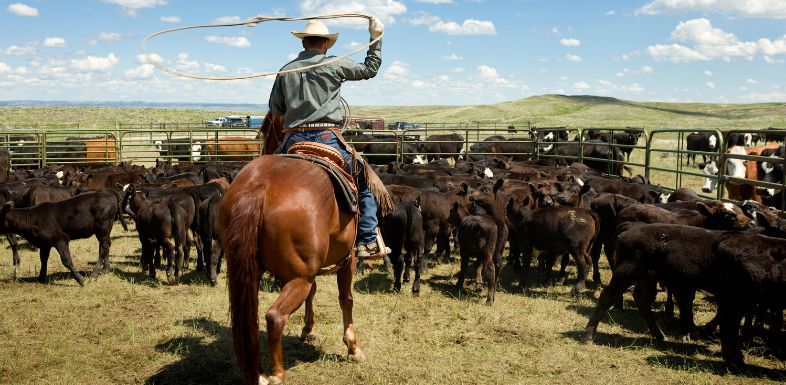
Cattle ranching depends on careful decisions about animals, land, water, labor, and money. A problem in one area can quickly affect the rest of the operation. While every property faces different conditions, many face the same issues. Keep reading to understand the most common challenges for cattle ranches.
1. Weather and Drought
Ranchers depend on suitable weather to grow forage and maintain reliable water supplies. Extended dry periods reduce pasture quality, limit grazing capacity, and increase feed expenses. Heavy rain, extreme heat, wildfires, and severe cold can also disrupt normal operations.
Preparation gives ranchers more options when conditions deteriorate. They can establish forage baselines, inspect water systems, create stocking triggers, and review drought risk management strategies for cattle ranches before dry weather forces immediate decisions.
2. Herd Health and Reproduction
Disease, parasites, injuries, and nutritional deficiencies can reduce weight gain and reproductive performance. A single untreated issue may spread through a herd or create lasting losses across multiple calving seasons.
Regular observation helps ranchers identify changes in appetite, movement, body condition, and behavior. Vaccination programs, balanced nutrition, accurate records, and veterinary support strengthen herd performance and reduce preventable losses.
3. Rising Operating Costs
Fluctuating operating costs are one of the most common challenges cattle ranches face. Fuel, feed, equipment, fencing, veterinary care, and transportation place constant pressure on ranch finances. Market prices can also shift before ranchers recover their investment for raising cattle.
Detailed budgets allow producers to compare expenses with expected revenue. Ranchers can protect cash flow by scheduling equipment maintenance, tracking feed use, planning purchases, and keeping emergency reserves for unexpected repairs or weather events.
4. Labor and Time Management
Cattle require daily care, but many ranches operate with small teams. Calving, feeding, fencing, recordkeeping, equipment repairs, and pasture rotation can compete for attention during busy seasons.
Clear routines and dependable infrastructure reduce unnecessary work. Digital records, remote water monitoring, improved handling systems, and preventive maintenance can help ranchers use labor more effectively.
5. Protecting Land and Forage
Healthy soil and productive pasture support the entire ranch. Overgrazing, erosion, invasive plants, and poor water distribution can weaken forage systems and reduce the number of cattle the land can sustain.
Rotational grazing, seasonal rest, soil monitoring, and careful stocking decisions help preserve long-term productivity. Addressing these problems early requires flexibility, planning, and a clear understanding of how herd decisions affect the land.
Building a Resilient Ranch
Cattle ranchers cannot eliminate every risk, but they can prepare for changing conditions with stronger records, flexible plans, and timely decisions. Healthy land, reliable infrastructure, sound finances, and consistent herd care work together to protect long-term productivity. By addressing problems early, ranchers can respond with greater confidence when weather, markets, or daily operations create new pressure.