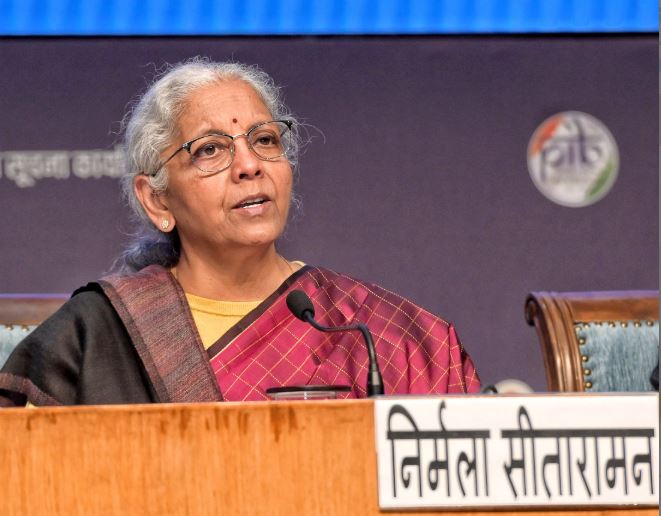
New Delhi, Oct 5: The government is preparing to take the next phase of Goods and Services Tax (GST) process reforms to the GST Council shortly, Finance Minister Nirmala Sitharaman said, signalling another step towards making the indirect tax system simpler, more efficient and business-friendly.
The proposed reforms are aimed at easing compliance requirements, reducing procedural complexities and improving the overall experience for taxpayers. The move is expected to support businesses by making GST-related processes more streamlined and predictable.
Sitharaman also pointed to the healthy performance of GST revenues following recent changes in tax rates. Gross GST collections grew 11.6 per cent during April-September 2026, reflecting continued strength in economic activity and tax compliance.
Focus on Ease of Doing Business
The upcoming reforms are expected to further simplify GST procedures and reduce the compliance burden on businesses. For small enterprises, traders and entrepreneurs in particular, smoother tax processes can help lower administrative costs and allow greater focus on business expansion.
The government’s approach reflects the continuing evolution of the GST framework since its implementation, with periodic changes aimed at addressing compliance challenges and improving tax administration.
Strong Collections Support Reform Push
The rise in GST collections provides the government with additional confidence to pursue process improvements while maintaining revenue stability.
Higher collections also point to the expanding formalisation of economic activity, wider adoption of digital tax systems and improved compliance across businesses.
The GST Council, comprising the Union Finance Minister and representatives from the states, will consider the proposed reforms. The next phase is expected to further strengthen the tax ecosystem while making compliance more convenient for taxpayers.
Supporting the Viksit Bharat Vision
The government has positioned GST reforms as an important part of its broader Viksit Bharat vision. A simpler and more efficient indirect tax system can help improve the ease of doing business, encourage formalisation and create a more predictable environment for investment and enterprise.
With the next set of process reforms expected to come before the GST Council shortly, the government is looking to build on the gains made since GST was introduced and make the system more responsive to the evolving needs of India’s economy.
