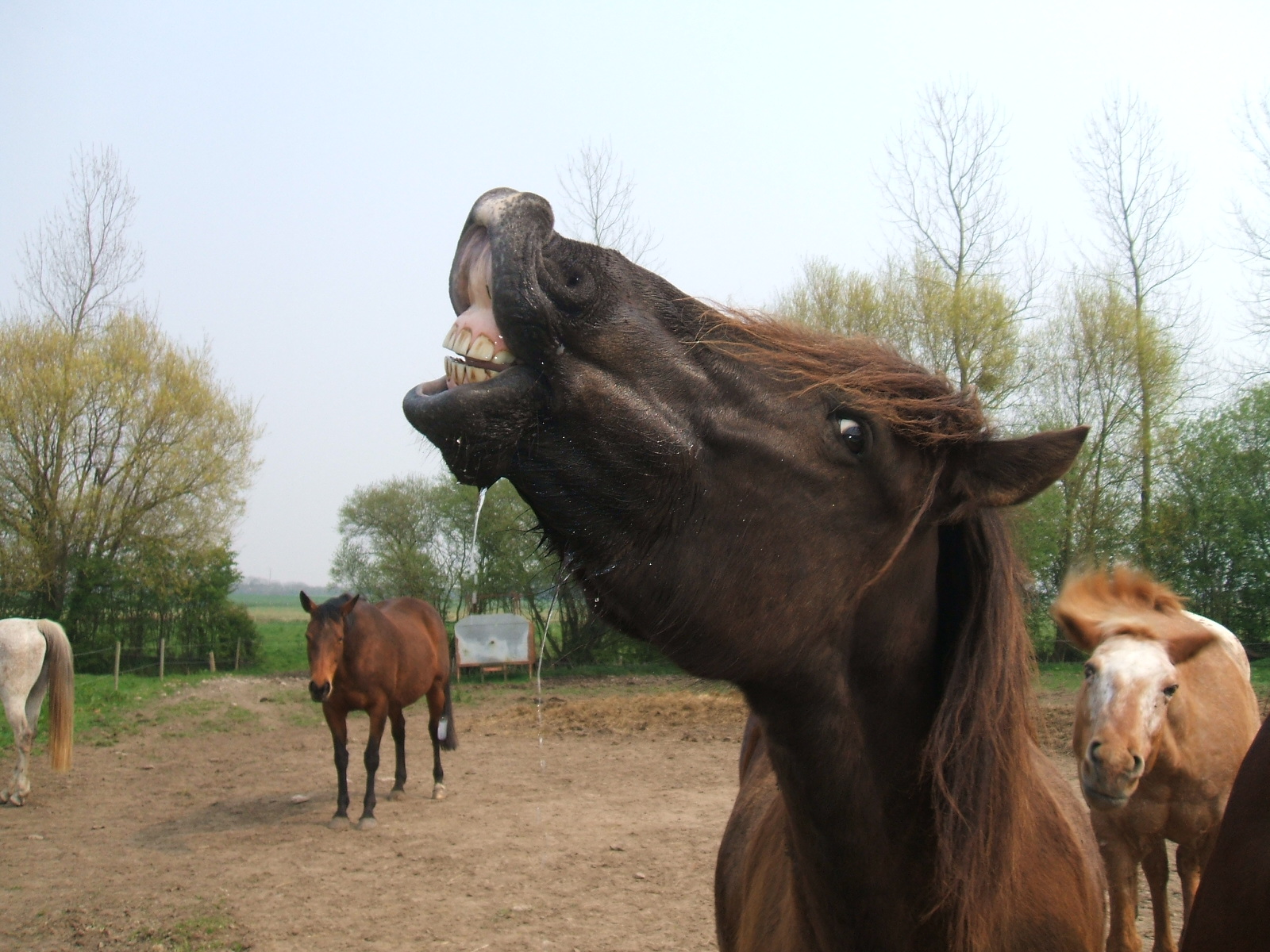
(Liehrmann_horse): Star, the author’s horse, scored very high in human sociability. Photographer: Océane Liehrmann
University of Turku, Finland | Sept 09: A new study reveals that horse personality is not only a matter of genetics, age, or breed but also systematically linked to how horses are housed, ridden, and cared for, and to the quality of the relationship they share with their owners. The findings underscore the importance of everyday management decisions for equine personality and welfare.
Horse personality has long been known to influence welfare, training outcomes, and the quality of human–horse interactions. While genetic and biological factors clearly play a role, far less has been known about how the human-shaped environment may contribute to building horse personality.
“Personality is not something that develops independently of its surroundings. Horses live in environments we create and relationships we build for them, and our results show that these matter,” says lead author of the study, Postdoctoral Researcher Océane Liehrmann from the University of Turku, Finland, and the Swedish University of Agricultural Sciences.
The research group conducted an international online survey during 2023–2024, gathering responses from 2,257 horse owners of about 2,767 horses across Europe, North America, and beyond. Owners rated their horses’ personalities using a 52-item questionnaire and provided detailed information about housing conditions, riding and groundwork frequency, quality time with their horses, headgear use, ownership history, and relationship duration.
Four windows into horse personality
Statistical analyses of the data revealed four distinct personality dimensions:
• Human Sociability: tendency to seek and enjoy interaction with people
• Attentiveness: capacity to focus on and cooperate with human cues
• Neuroticism: emotional reactivity and sensitivity to stress
• Horse Sociability: tendency to engage in affiliative, non-aggressive interactions with other horses
As expected, intrinsic factors such as age, sex, and breed were among the strongest drivers of personality scores. Warmbloods, for example, scored highest in Neuroticism, while draft horses scored lowest. Geldings consistently scored higher than mares in both Human Sociability and Attentiveness.
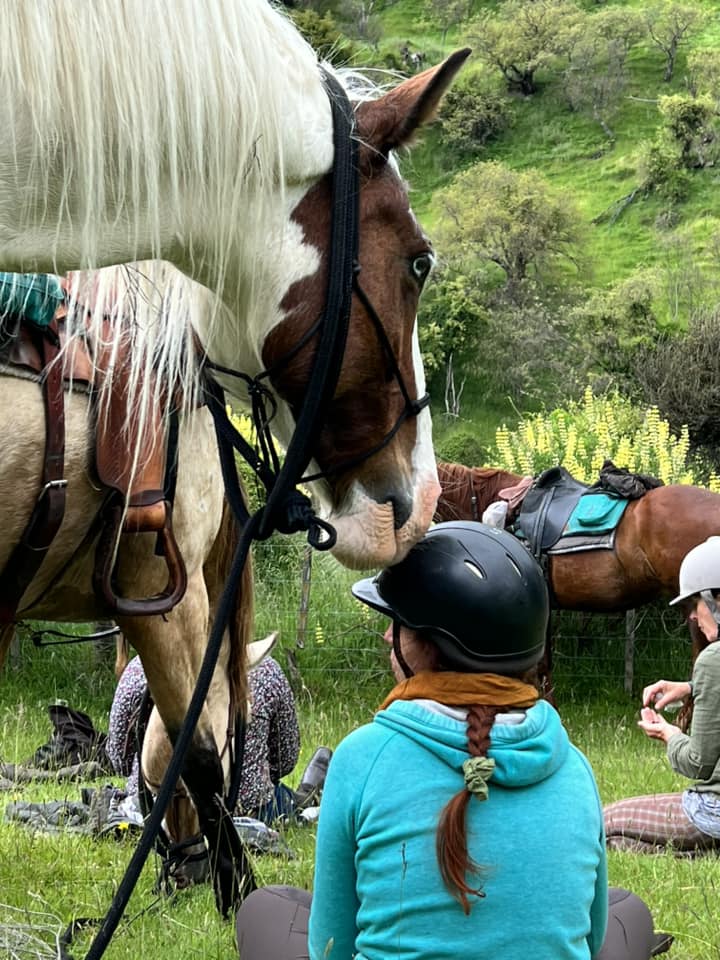
(Salinger_horses): The willingness to interact with strangers was one of the components of the human sociability factor. Photographer: B. Salinger.
Depth of the human–horse bond and riding frequency matter
The length and stability of the relationship were linked to Human Sociability: horses with the same owner for over ten years scored about 12 percent higher than those together less than a year, while horses that had passed through multiple owners scored lower than those bought directly from a breeder.
“These patterns suggest that familiarity and relational continuity contribute to how openly and comfortably horses engage with people. Frequent changes of owner or stable may leave a lasting mark on a horse’s willingness to seek human contact,” explains Liehrmann.
Owners who often spent unstructured time with their horses, being present, offering scratches, and not demanding anything from them, had horses that scored higher on Human Sociability. Riding frequency, then again, was tied to calmness: horses ridden 4–7 times a week scored higher on Attentiveness and lower on Neuroticism, while rarely ridden horses scored higher on Neuroticism. This possibly reflects habituation from regular training, or that calmer horses are simply chosen for regular use.
Solitary housing, fewer social skills
One of the clearest findings concerned Horse Sociability: horses housed alone consistently scored lower than those living with other horses, regardless of whether they lived in pairs or full herds.
This finding raises important welfare considerations. Horses housed alone may score lower because social isolation limits the expression of affiliative behaviour. It may also be that horses perceived as socially unfit are kept in isolation. In either case, the results point to social housing as an important consideration for both welfare and behavioural development.
Implications for horse welfare and management
The researchers emphasise that the study is cross-sectional and does not establish causation, and that the associations identified are modest. Longitudinal studies are needed to clarify whether management decisions shape personality, personality shapes management decisions, or both.
However, the findings show that housing conditions, the frequency and quality of human interactions, and the stability of the ownership history are all associated with measurable differences in personality profiles.
“Understanding how management and relationship factors interact with personality has direct implications for horse welfare. If we design environments that allow horses to develop socially, maintain stable relationships, and enjoy positive interactions with humans, we may be doing more than making horses easier to handle, we may help them develop their personality in a more positive way,” concludes Liehrmann.
The study was published in the journal Royal Society Open Science.