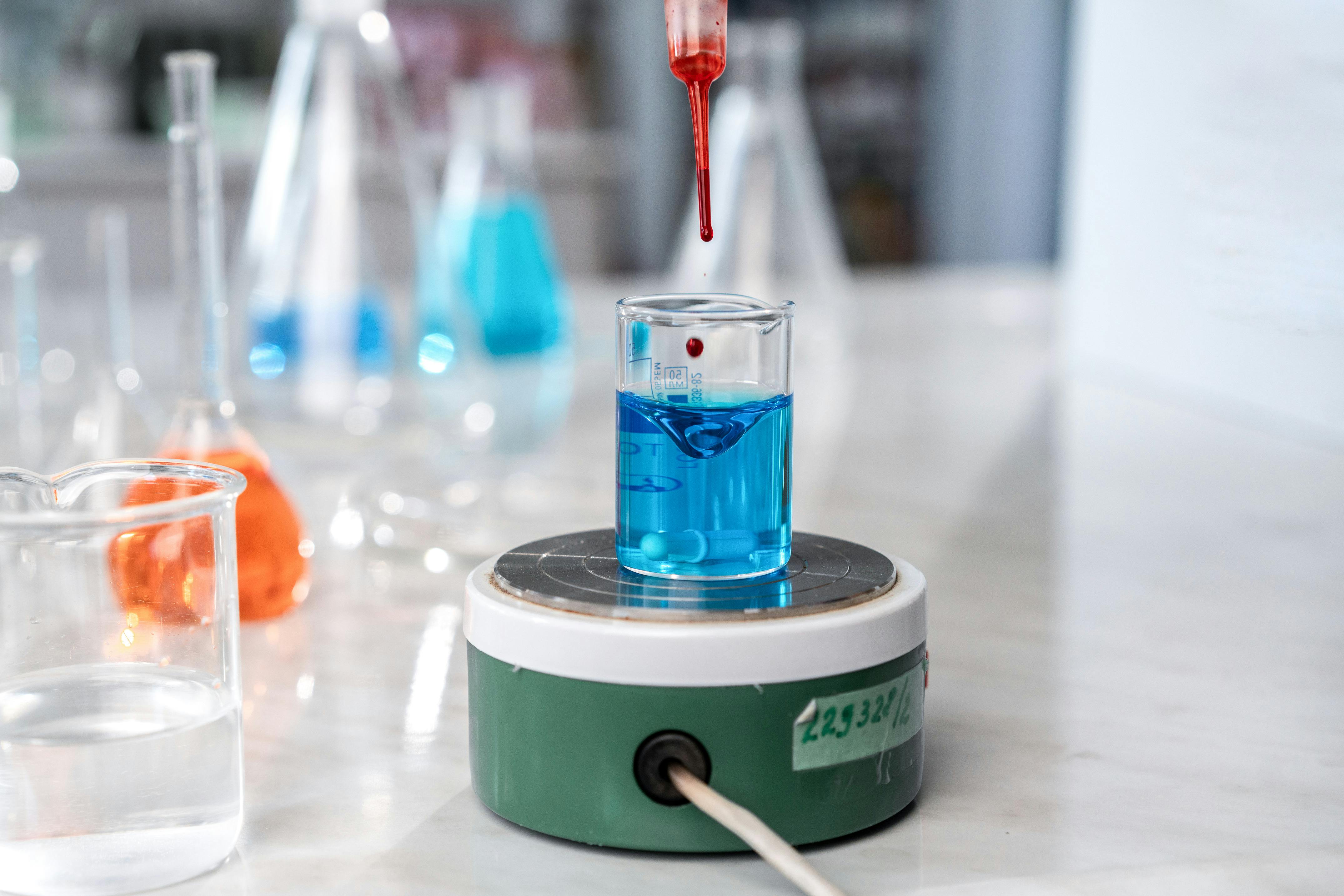
Water testing laboratories are specialized facilities that analyze water samples to ensure their safety, quality, and suitability for use. They detect contaminants, measure physical and chemical properties, and help maintain public health, environmental protection, and regulatory compliance. These labs range from small units to large facilities and use advanced instruments like spectrophotometers and mass spectrometers, with trained professionals following strict procedures to ensure accurate and reliable results.
Importance of Water Quality Testing
Types of Water Testing
Water quality analysis generally includes three main categories:
Microbiological Testing
This type of testing focuses on detecting microorganisms like bacteria, viruses, and parasites that can pose health risks. Techniques such as culturing and molecular testing are used to identify contamination. These tests are especially important for preventing waterborne diseases.
Chemical Analysis
Chemical testing identifies harmful substances such as heavy metals, pesticides, and industrial pollutants. By determining the concentration of these substances, laboratories can assess potential health risks and environmental impact. This analysis is essential for maintaining safe drinking water and identifying pollution sources.
Physical Property Assessment
Physical testing evaluates characteristics such as pH, turbidity, temperature, and color. These indicators provide a basic understanding of water quality and often serve as the first step in identifying potential issues.
Why Water Quality Testing Matters
Water testing is essential for several important reasons:
Protecting Human Health
Contaminated water can lead to a wide range of illnesses, from mild infections to serious diseases. Regular testing helps detect hazards early, allowing preventive measures to be taken.
Preserving the Environment
Pollution in water bodies can harm ecosystems and aquatic life. Monitoring water quality helps maintain ecological balance and supports sustainable resource use.
Meeting Safety Standards
Regulatory guidelines define acceptable limits for contaminants in water. Testing ensures that these standards are met, helping avoid legal issues and ensuring public confidence.
Health Risks Linked to Contaminated Water
Poor water quality can have serious consequences due to both biological and chemical contaminants:
- Harmful microorganisms can cause infections and waterborne diseases.
- Toxic metals like lead or arsenic may lead to long-term health problems.
- Chemical pollutants can contribute to chronic conditions affecting organs and overall health.
These risks highlight the importance of regular and accurate water testing.
Standards and Quality Assurance
Water testing laboratories operate under strict guidelines to ensure reliable results. Standardized procedures and quality control measures are followed to maintain consistency and accuracy. Accredited labs adhere to recognized frameworks that verify their competence and testing reliability.
Contribution to Environmental Protection
Water testing labs are key contributors to environmental conservation. They monitor pollution levels, evaluate water sources, and provide data that helps manage water resources effectively. Their findings support efforts to reduce contamination, improve sustainability, and protect ecosystems.
Choosing the Right Water Testing Laboratory
Selecting a dependable laboratory is crucial for obtaining accurate results. Important factors to consider include:
- Proper certification and accreditation
- Experience and technical expertise
- Use of modern equipment and testing methods
- Positive reputation and client feedback
A reliable lab ensures trustworthy data that can guide important health and environmental decisions.
Home Water Testing: A Basic Option
Home testing kits offer a convenient way to check certain aspects of water quality. They are easy to use and can detect basic parameters like pH and some contaminants.
However, these kits have limitations:
- They may not detect all harmful substances
- Their accuracy may be lower than laboratory testing
- They cannot provide detailed analysis
For complete and reliable results, professional laboratory testing is recommended, especially if contamination is suspected.
The Future of Water Testing
Advances in technology are transforming how water quality is monitored. Portable devices, real-time monitoring systems, and improved analytical tools are making testing faster and more efficient. Increased public awareness is also encouraging better water management practices.
These developments are expected to make water testing more accessible and effective, helping ensure safe water for communities worldwide.
Conclusion
Water testing laboratories play a critical role in maintaining safe and clean water. By identifying contaminants, supporting regulations, and promoting environmental sustainability, they help protect both human health and natural ecosystems. As technology continues to evolve, their importance will only grow in ensuring a healthier and more secure future.
