New Delhi, Dec 2:- Apparel Made-Ups & Home Furnishing Sector Skill Council has unveiled a high-octane strategic roadmap for 2026, aiming to pivot India’s garment industry toward a digitally empowered future. While reaffirming Sewing Machine Operator as a core job role for AMHSSC and the backbone of India’s apparel manufacturing workforce, the council has outlined a sharp focus on Industry 4.0, identifying artificial intelligence MSME cluster development, and leadership-level skilling as its top three priorities for the coming year. At the heart of the roadmap is the creation of new Centers of Excellence across the country, aimed at modernizing skill training in one of India’s most labour-intensive sectors. These centers will focus on embedding AI-led learning, productivity tools and advanced manufacturing practices into traditional training frameworks, moving beyond basic tailoring to enhance global employability.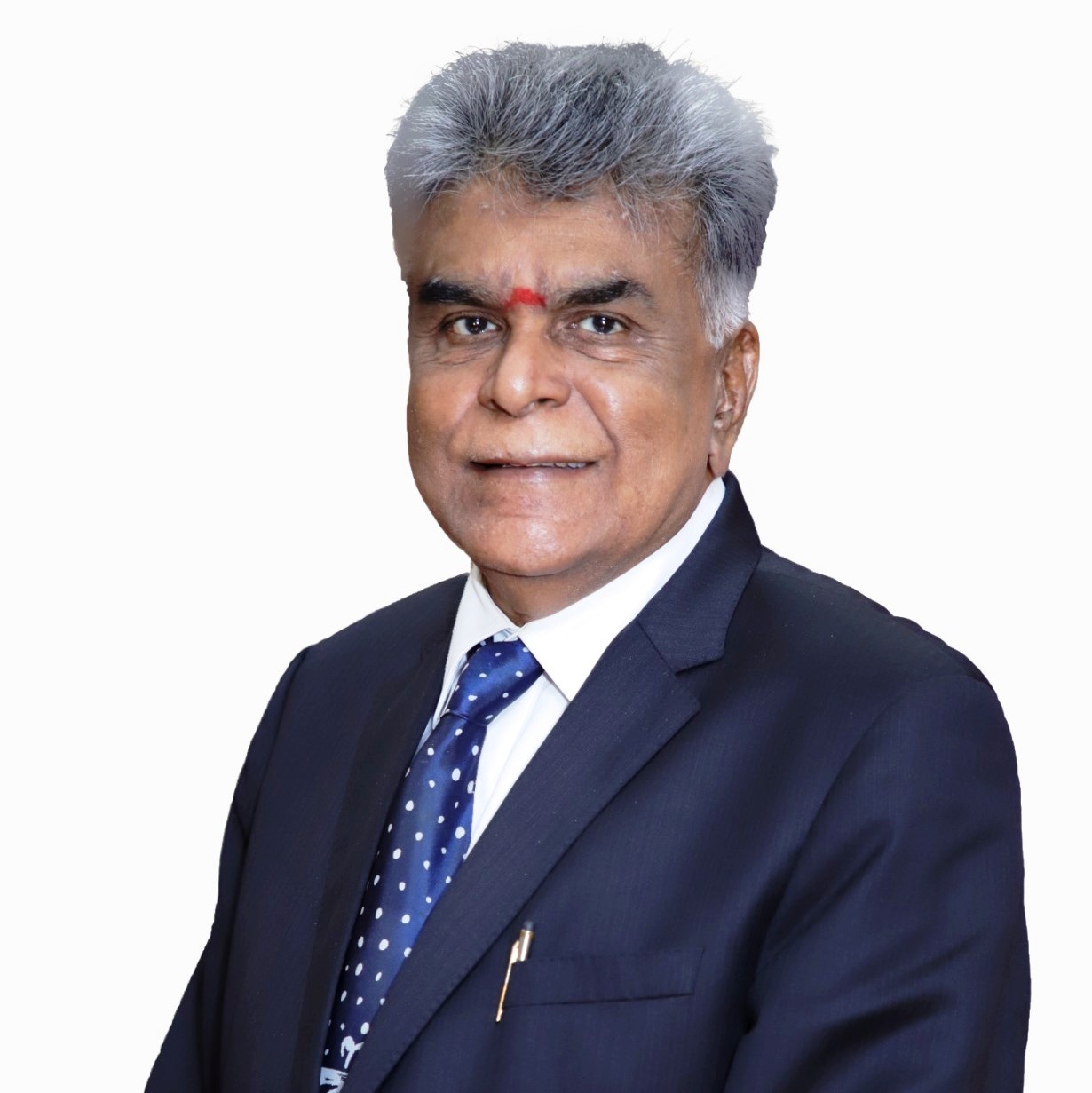
Dr. A. Sakthivel, Chairman, AMHSSC, said the roadmap reflects the urgent need for India’s apparel industry to evolve with global manufacturing standards. “The future of the textile and apparel sector lies in technology-driven skills, sustainability and strong leadership across the value chain. Through this roadmap, we are preparing our workforce not just for domestic growth, but for global competitiveness,” he said.
Echoing this vision, Shri Ashish Srivastava, CEO, AMHSSC, said the council’s focus for 2026 is on building a tech-enabled talent pool aligned with future industry needs. “By integrating AI and sustainability into our core curriculum, we are not training for yesterday’s factories. Our emphasis on MSME clusters and leadership roles ensures that skill development reaches every layer of the industry and supports India’s ambition of becoming the skill capital of the world,” he said. The second pillar of the strategy centres on MSME and cluster-based development. By localising training delivery, AMHSSC aims to equip small and medium enterprises—key contributors to textile exports—with specialised, industry-relevant skill sets while improving efficiency and scalability. In a significant shift, the council will also introduce aspirational job roles at supervisory and leadership levels, marking a move from entry-level vocational training to structured career progression. Sustainability will be a mandatory component across all programmes, aligning India’s workforce with evolving global compliance and green manufacturing standards.
The roadmap follows a strong performance in 2025, with AMHSSC certifying 1.69 lakh candidates during the year. PM Vishwakarma scheme accounted for 83,817 certifications, followed by non-PMKVY initiatives with 73,024 candidates and PMKVY with 12,272 for the year 2025-26.
Industry participation also remained robust under the National Apprenticeship Promotion Scheme with 201 apparel and textile establishments registered and 4,414 apprenticeship contracts recorded, underlining growing industry confidence in structured skill development initiatives.