Water is essential for life, and ensuring its purity is fundamental to our well‑being. Water quality testing helps detect invisible hazards—such as bacteria, chemicals, and metals—that can negatively affect health if left unchecked. It allows individuals and communities to understand exactly what is in their water and take steps to protect themselves and their environment.
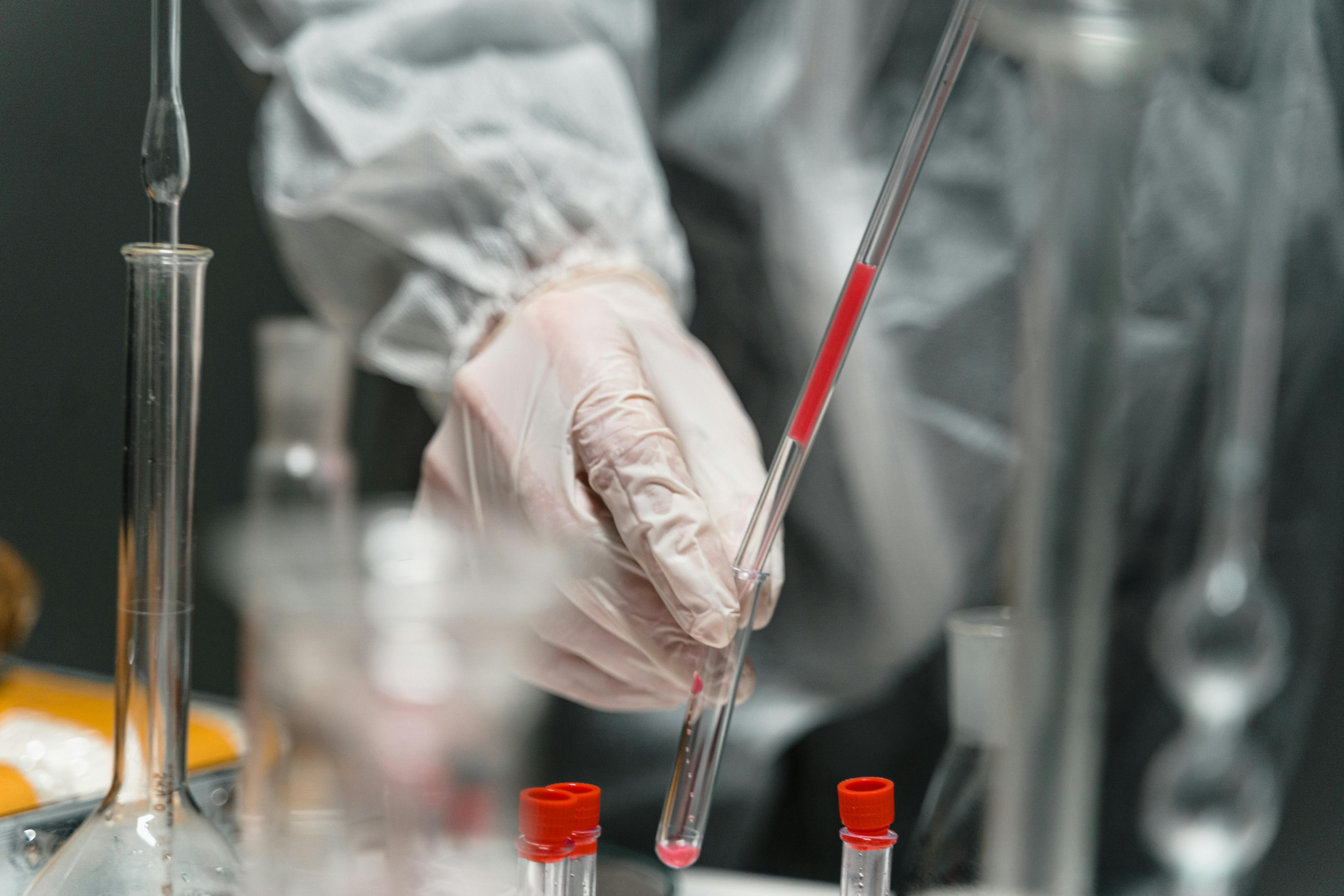
Understanding the types of contaminants in water is key to maintaining safe water supplies. Contaminants generally fall into three categories: biological, chemical, and physical. Biological pollutants include bacteria, viruses, and other microorganisms that may enter water through sewage, agricultural runoff, or poor sanitation. Chemical contaminants such as heavy metals and pesticides can originate from corroded pipes, industrial discharge, and farming activities. Physical pollutants like sediment and debris affect water clarity and can indicate other underlying problems. For accurate and certified testing, services like Water Testing Lab in Bhubaneswar provide professional analyses to help households and businesses ensure safe and clean water. Recognizing these threats emphasizes why regular testing is essential.
Signs That Your Water May Be Unsafe
Changes in water appearance, smell, taste, or even health symptoms in people using the water can signal a need to test. Discoloration, unusual odors, metallic or bitter tastes, or unexplained gastrointestinal issues in family members are all reasons to have water analyzed. Immediate testing can uncover hidden problems before they become serious.
How Often Should Water Be Tested?
Water testing frequency depends on the source and risk factors. Private wells should be checked at least annually, as they are more exposed to environmental changes. Even those with municipal supply benefit from occasional testing, particularly if there are changes in water quality or local infrastructure issues. Testing after events like heavy rain, flooding, or nearby construction can provide early warning of contamination.
Methods of Water Testing
Various testing methods are available:
- Home test kits: Easy and affordable but limited in scope and accuracy.
- Professional laboratory testing: Offers detailed analysis for a wide range of contaminants with precision.
- Advanced digital devices: Provide more accurate results than basic kits and can quickly assess multiple parameters.
Selecting the right method depends on how much detail and accuracy are needed.
Understanding Test Results
Test reports typically list contaminant levels and whether they fall within safe limits. Some substances, such as harmful bacteria, should not be present at all, while others are only safe below specific thresholds. Results above recommended levels should prompt action, such as installing appropriate water treatment or consulting professionals for solutions.
How to Do If Water Is Contaminated
If your water is found unsafe, options include installing targeted filtration systems, boiling water to eliminate biological contaminants, and seeking expert advice on long-term remediation and safe alternatives. Taking swift action helps protect health and restores confidence in your water supply.
Preventing Water Contamination
Proactive measures help maintain clean water:
- Schedule regular tests
- Store water properly in clean containers
- Keep surroundings free of pollutants
- Stay informed about local water quality
Community involvement and environmental awareness also contribute to long-term water safety.
Conclusion
Water quality testing is vital for health and environmental protection. Regular monitoring, understanding warning signs, and following up with appropriate actions ensure that water remains safe for daily use. Whether through local health resources or certified laboratories taking control of water quality is a valuable investment in well-being and sustainability.

Leave a Reply