Kolkata, Jan 09: India, which is one of the fastest growing economies in the world, has also set a benchmark for ensuring inclusive growth by focusing on technology adoption in a big way. This model can be emulated by the developing countries in the region, said Ajay Kumar, Joint Secretary (States), Ministry of External Affairs.
The Indian government has put in place several policies such as Make in India program and PLI scheme to make our economy a major manufacturing economy and this has enabled the country to emerge as a key manufacturing hub for mobile phones, semiconductors and automobile among others.
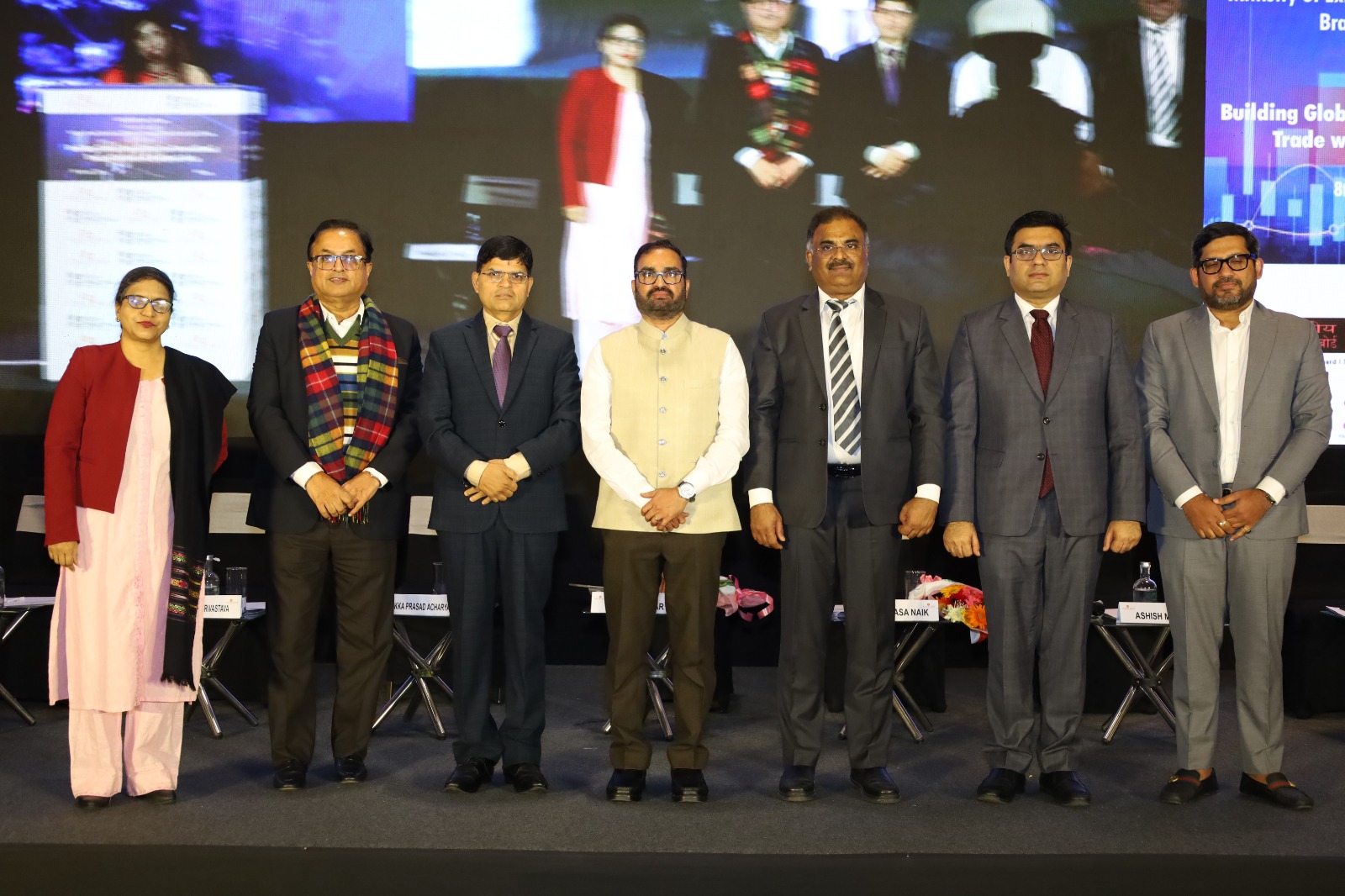
“These conscious policy efforts have started bearing result, and that’s the reason why we are the fastest growing major economy. On the other side, we have been setting examples for inclusive growth. And even as we are growing very fast, we want fruits of that development to reach to the poorest of poor. So, we have been using technology for inclusive growth,” Kumar said at a program “Building Global Capabilities for International Trade with South and Southeast Asia” organised by Assocham in partnership with the Ministry of External Affairs, Kolkata branch secretariat here on Thursday.
The demographic dividend, rapid urbanization and accelerating digital adoption in ASEAN region makes it one of the long-term opportunities for Indian businesses, said Srinivas Gotru, Ambassador of the Republic of India to ASEAN.
“ASEAN today is one of the most economically vibrant regions in the world. It attracts about $200 billion of annual FDI, which is one of the top regions in the world attracting inward foreign investment. Given the uncertainties that are happening in the world economy elsewhere, this (ASEAN) is the region that needs a second, closer look from India,” he said.
The ASEAN-India trade agreement, which is currently under review, is expected to conclude at the earliest. “From our side, the Department of Commerce is leading these discussions. And the idea is to make this agreement into a more trade-facilitating, balanced, and responsive to current economic realities,” he said.
According to Srinivasa Naik, Chief Commissioner of Customs, there have been a number of reforms in the last two decades which have helped streamline operations and reduce the waiting time. “Customs 2.0, single window interface for facilitating trade etc has helped bring down time taken to 3 days now as compared to what would take one week previously,” he pointed out.
Talking about Indo-Nepal trade and cooperation, Jhakka Prasad Acharya, Consul General, Consulate General of Nepal, Kolkata, said,
“Nepal attaches great importance to efficient transit arrangements between the global trade region and the close coordination with the neighbours and regional partners, particularly India and the countries of South and Southeast Asia. India remains the only country providing comprehensive transit facilities to Nepal. Over the past decade, approximately 68% of Nepal’s total imports and around 70% of total exports have been conducted from and to India.”
Leave a Reply